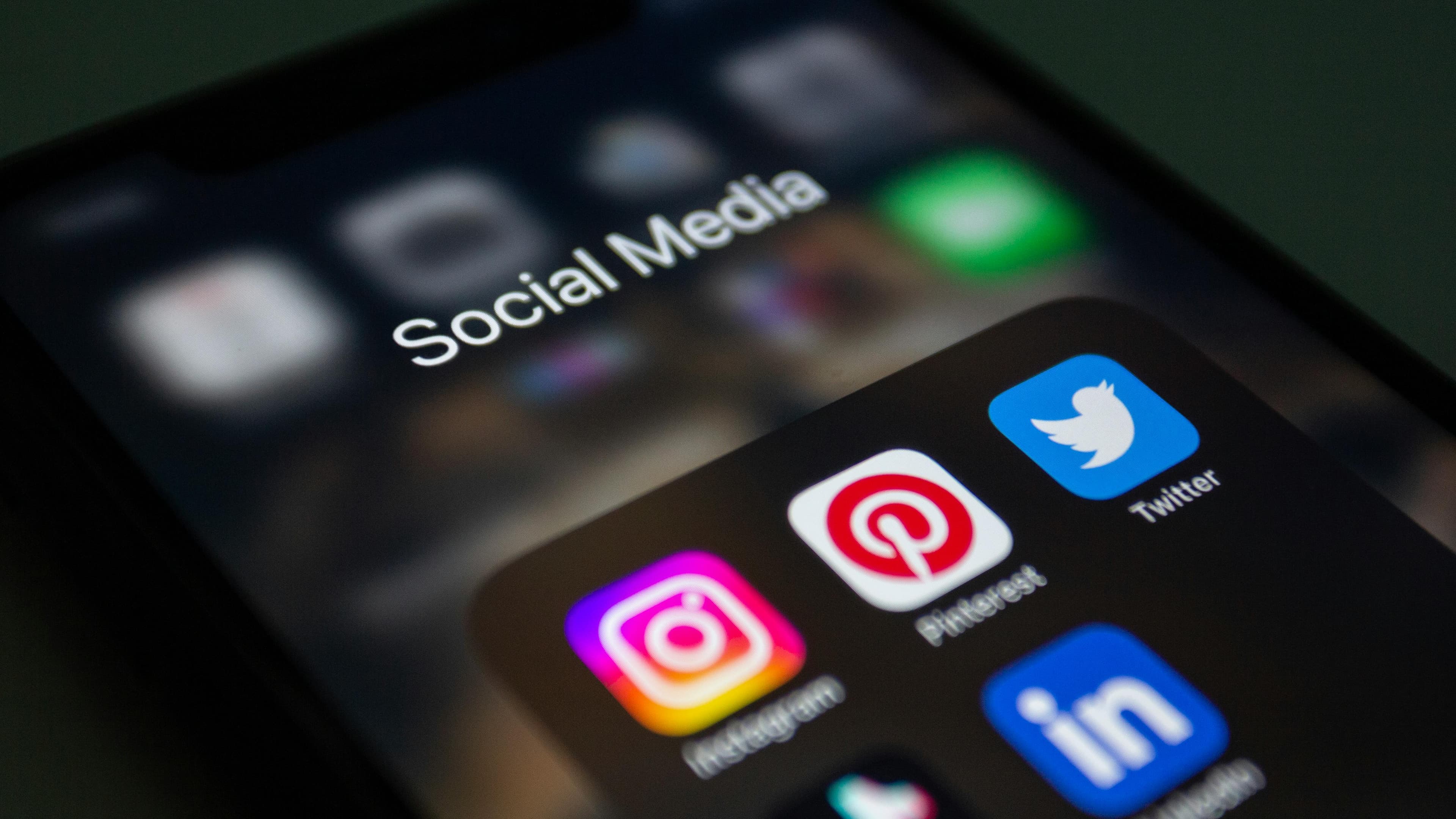
HOW SOCIAL MEDIA BOTH HELPS AND HURTS GHANAIAN CREATIVES.
In March 2022, when Black Sheriff released his single ‘Kweku The Traveller’, it became not just a 'hit' - it topped charts in Ghana, Nigeria and found its way into international charts. Its signature line ‘of course I fucked up, who never fucked up, hands in the air, no hands?’ became a viral catchphrase across social media. This virality pushed him into mainstream recognition, and he began performing on major international stages and shows. Today, Black Sheriff has won many awards and has cemented himself in the music scene as one of Ghana's biggest global music exports.
What am I driving at? The power of social media! Black Sherif’s rise did not spring from traditional radio or television. It was the virality of TikTok, Twitter (X) that carried his deeply relatable music like First Sermon, Second Sermon, and the famous Kweku The Traveller across borders. Social media did not just make him a Ghanaian star but a global one.
This is only one story among many that reveal the power of social media. Just like Black Sheriff, many Ghanaian creatives, such as Wendy Shay, Nakeeyat _the_poet, Afronita, and several others, have leveraged and continue to leverage this powerful tool, projecting their craft to the world and breaking boundaries in the creative space. Now, let us flip the coin: this online tool, which has helped build brands since its inception, can also be a burden on the very people it seeks to help. I will tell you how.
THE SOCIAL MEDIA EFFECT
Social media is a powerful tool for building brands, no doubt. But just like traditional media, it can be helpful and at the same time, be harmful. I will begin with its benefits, particularly for Ghanaian creatives.
The most obvious benefit is visibility and exposure. Take a moment to reflect: as a Ghanaian creative, how many followers, likes or comments did you receive on your very first post? Compare that to now, is there a difference? Social media allows creatives to gain visibility over time through consistent sharing of their work. They start to get noticed by social media users and gain followers. With this exposure, creative output can transcend borders – both locally and internationally.
This visibility naturally leads to collaboration. Through social media, creatives connect, exchange ideas and collaborate on projects. Across platforms, there are niche creative communities – poetry, music, photography, drawing, graphic design and more, where creatives gather to support one another. Beyond collaboration, these creative spaces often create access to mentorship. Recently, a close associate of mine, a writer, found a mentor through a programme she applied for on LinkedIn. Her mentor guided her throughout the duration of the programme. Even after the programme ended, the mentor-mentee relationship continued, growing into a lasting professional connection.
Another major advantage of social media is content monetisation – something traditional media fails to provide. Social platforms allow creatives to earn through advertisements, brand deals and the sale of their work. In Ghana, content creators like Wodemaya, Kwadwo Sheldon and Sweet Adjeley have turned content creation into full-time careers, earning income while projecting African and Ghanaian culture to the world. Social media also offers flexibility and independence. Creatives can directly control their brands, negotiate deals and set their working conditions. While monetisation does not always come easily, consistency makes it possible.
Finally, social media creates space for experimentation and self-expression. Creatives, like birds, thrive when allowed to explore without limits. Social media, therefore, creates space, making it possible to experiment, make mistakes and share ideas openly without any hindrance. Every day, new creative expressions emerge – articles, short stories, music, photography, drawings and more. Writers on platforms like Substack often experiment with different storytelling styles to see what resonates with readers. Photographers on Instagram test different editing styles until they develop a signature look. Musicians, meanwhile, often use TikTok to share short dance videos before officially releasing a song. Overall, social media allows creatives to test different forms of content, discover what resonates with their audience and refine their craft accordingly.
Despite all these great qualities of social media and how helpful it is to creatives, it also has the tendency to harm the same people it seeks to help.
One of its most damaging effects is unhealthy comparison and pressure. The social media space is saturated; therefore, the competition for likes, comments and followers online is crazy. Creatives are constantly pushed to generate content that attracts attention and traffic. This pressure often leads to trend-chasing at the expense of originality, resulting in burnout or feelings of inadequacy – especially when others appear to ‘blow’ faster. In some cases, creatives begin to undervalue their work or imitate others. For instance, a budding writer may feel discouraged after seeing a comedic skit receive ten thousand likes while their carefully written piece attracts only a handful. This may push the writer to abandon their craft altogether, sometimes leading to deeper feelings of worthlessness if things do not go as planned.
Financial Strain is another challenge. Due to the competition for views, likes and comments, many Ghanaian creatives feel pressured to buy expensive equipment – cameras, ring lights, smartphones or pay for adverts and studio sessions to produce high-quality content. There are also unspoken expectations around appearance – expensive clothing, sophisticated equipment and trendy locations. These expectations are often framed as necessary for building strong brands and attracting followers. A young, upcoming photographer in Wa or Kumasi may struggle to keep up, as such demands can quickly drain already limited resources. Without sponsorships, strong monetisation, or consistent gigs, creatives may struggle to cope, as it may lead them into debt.
In addition, social media often creates opportunities for exposure but with little or no rewards. Take a moment to reflect: many of us have shared or used content without acknowledging its source. Often, we do not even know who the original creator is. Many Ghanaian creatives put significant effort into producing authentic and visible work. This work may go viral and be used by other creatives or brands, yet the originator may not benefit financially from that visibility. Intellectual property – artworks, music or videos is often downloaded and reused without the creator’s consent. Understandably, this leaves many creatives feeling cheated. And honestly, who wouldn't?
Finally, there is cyberbullying – perhaps the most painful consequence of social media. Many Ghanaian creatives face this on a daily basis. While social media allows creatives to connect closely with their audience, it also exposes them to harsh judgment, criticism and trolling. Cyberbullying often takes the form of mockery and personal attacks unrelated to the work itself. Creatives are often targeted for their appearance, lifestyle or background, leading to demotivation, low self-esteem, anxiety and, in some cases, depression.
For instance, an upcoming singer on TikTok may be trolled with comments like ‘You don't have a good voice’, ‘This song will not blow’, or a comedian be mocked for his accent.
Several Ghanaian musicians, including Wendy Shay and Sister Afia, have spoken openly about how online trolling has affected them. With encouragement rather than hostility, many more creatives would feel confident enough to share their talents with the world. It is more hopeful.
SO DOES SOCIAL MEDIA HELP OR HURT GHANAIAN CREATIVES?
The answer is both. It has pushed creatives like Wendy Shay, Black Sheriff, Kwadwo Sheldon, and Gyakie into global stardom. It has also brought about challenges like cyberbullying, unhealthy comparisons and financial strains to creatives. Ultimately, social media is a tool – not a final destination. How Ghanaian creatives use it will determine whether it strengthens their art or slowly breaks it.