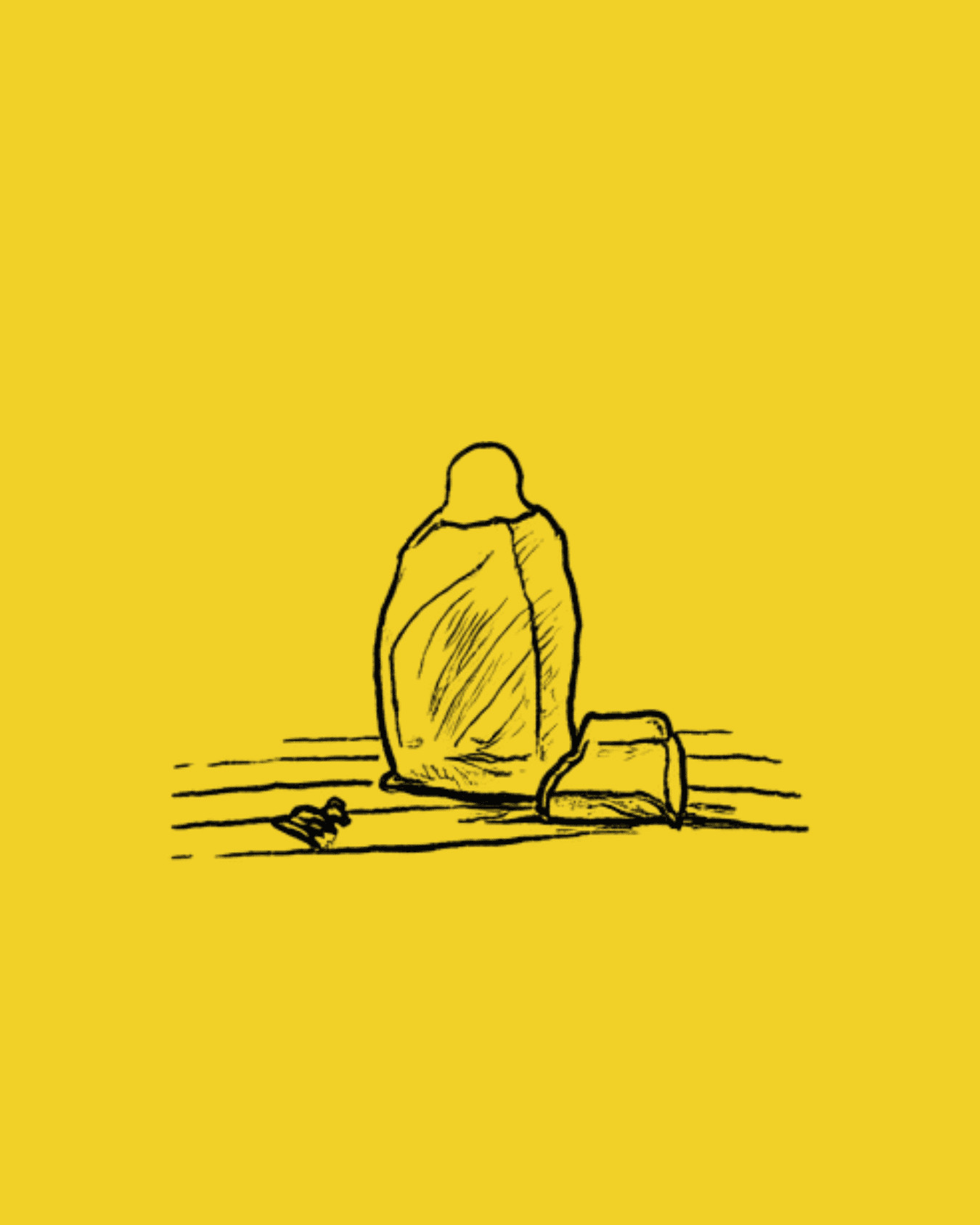
The house on Christmas morning hung like a quiet grave, heavy with stillness that pressed against my chest. No shiny lights or twinkling decorations like when I was a kid. Back then, Papa transformed our living room into a wonderland. He'd string up those colorful bulbs that played soft Christmas carols, humming and twinkling like mischievous fireflies with secrets to share. As an only child, I'd snatch my baby cousin Afriyie’s chubby hands, and we'd twirl across the worn linoleum floor, giggling wildly to "Jingle Bells," our bare feet slapping in rhythm. Relatives crowded in, aunts fanning themselves with newspapers, uncles sneaking extra slices of fruitcake, all dodging Papa's strict rules—"No spilling! Feet off the furniture!"
But now, as an adult? Nothing. No lights, no music. Papa’s rules got tighter, turning the home into dead silence. He said Christmas was “a distraction,” and his voice shut doors the way locks shut gates. Relatives stayed away, sending quick WhatsApp messages like “Busy this year.” The old sofa where aunties once crowded now held only folded laundry and dust. The neighborhood was quiet too, except for far-off shouts and a faint song that never quite reached our windows.
Then, almost at dawn, the masquerade parade started. People in kakamotobi costumes marched by, shaking susu boxes for money, dancing to drums that rolled through the streets like thunder. As a kid then, I hid, scared of their painted faces, like monsters in a movie had come loose from the screen. Even later, it frightened me, that blur of color and noise, until I became a full adult. One time, I stood close enough to smell sweat through the cloth. I saw the costumes were just fabric over real skin. Sweaty, human skin. Tired eyes. Familiar voices. Like the fake faces we wear at home, hiding under Papa’s rules that quietly suck the joy out.
Just then, Uncle Ebo Nimo called out to me. I turned, and I saw him grin at me, running fast towards me with the kakamotobi costume, holding a trumpet. I run back home, startled. I got to the gate of the front door, and Papa was standing at ease, stirring into my soul. I panicked and ran into my room.
The house, the street, even Christmas itself felt like a performance everyone else had stopped showing up for.
But today, things suddenly changed.
Aunt Matilda burst in without warning, susu box in one hand and a sneaky drink in the other. Her wrapper was loud enough to argue with the walls. “Happy Merry Christmas, darling Clairina!” she laughed, too loud for the small room. Her voice cracked the quiet like glass. The still air shifted. The house, that had been holding its breath for years, finally exhaled.
Relatives called, then some actually came. Slippers slapped the corridor, voices filled the gaps in the walls. Someone brought rice and stew that smelled like the Christmases I thought I had imagined. I could also perceive the aroma of the banku and okro soup, as well as jollof rice from upstairs. Uncle Nimo dragged in a tangled string of old bulbs, and Aunt Efua began wiping dust off the TV as if cleaning could turn back time. I thought of those old dances with my cousin, now grown and far away. A sad smile tugged at my mouth. It felt like watching a home video on mute, then suddenly finding the volume button again.
Laughter mixed with old fights, the familiar kind: who owed who money, who didn’t visit when someone was sick, who talked too much. But beneath the sharp words, there was something else. People stayed. No one rushed to hang up or say “next time.” The house didn’t feel like a grave anymore. It felt like a place where things could still go wrong and still be forgiven.
Papa watched from his corner at first, jaw tight, arms folded like a locked gate. His eyes moved from Aunt Matilda’s rattling susu box to the bulbs on the floor. For a moment, his face was pure anger, the kind that turns rooms to ice. Then something softer slipped through. He looked tired, not just strict. Old memories seemed to crawl up behind his eyes, uninvited but stubborn. Maybe he was seeing his younger self on a rickety stool, hooking bulbs along the curtain rail, humming along to the same tunes he now called “noise.”
“Too loud,” he said at last, but his voice cracked on the word. Nobody stopped. Someone plugged the bulbs in. They flickered, weak at first, then steadier, casting shaky colors on the walls. One of them blinked the way it used to when I was small, as if it recognized the room.
Papa’s shoulders dropped a little. For the first time in years, he walked to the center of the room without a complaint ready on his tongue. He took the susu box from Matilda, shook it, and the coins clinked like a tiny drum. It was such a small sound, but everyone went quiet. Even the drums from the masquerades outside seemed to pause for a second.
“Since it's a festive season, let's be generous!” he muttered, nodding toward the window, “maybe we, too, can give small joy in this house.”
It wasn’t an apology. It wasn’t a speech. But the words landed like a gift left quietly at the door.
Outside, the masquerades passed again, music spilling through the windows. This time, no one hid. Children ran to the veranda to watch. Some of them shrieked at the masks, then laughed when the dancers waved. The house felt smaller and bigger at once, filled with bodies and noise and the clumsy warmth of people who don’t always know how to love each other but keep trying anyway. Just then, I spotted Afriyie dancing with Uncle Nimo with a bass band around her neck, holding a bottle of chilled pineapple punch. She winked and waved. She seemed to be having a jolly good time.
I went into the house and stood there in the colored half-light, watching Papa’s face glow red, then green, then yellow from the bulbs he once proudly hung. For the first time in a long time, Christmas didn’t feel like something happening somewhere else. It felt like it had found its way back home. Not perfect, not peaceful, but stubbornly alive. Sweaty, noisy, a little broken, a bit clumsy, merry, and still ours.
Papa picked up the phone and called his long-time friend Dr. Davidson to wish him, “Afiehyia Pa!”. I could hear a very long pause from where I observed. Uncle Davidson must have thought he was dreaming. Just then, laughter erupted between the two men. Aunty Matilda stirred at me with a smile and nodded at me. That night, I went to bed, breathing a sigh of relief. I slept off blasting some Christmas jingles I always loved. It's a solemn Christmas I’d never forget in a hurry.
Madeleine Koomson is a Ghanaian writer, storyteller, social commentator, poet, and a recent international affairs graduate. She writes fiction and non-fiction pieces, including essays, on governance, mental health, grief, sickle cell anaemia, diplomacy, the Sustainable Development Goals, Pan-Africanism, and development. She is also exploring emerging interests in critical minerals, the environment, and social impact.